

Overcrowding hits record levels at Kildare hospital

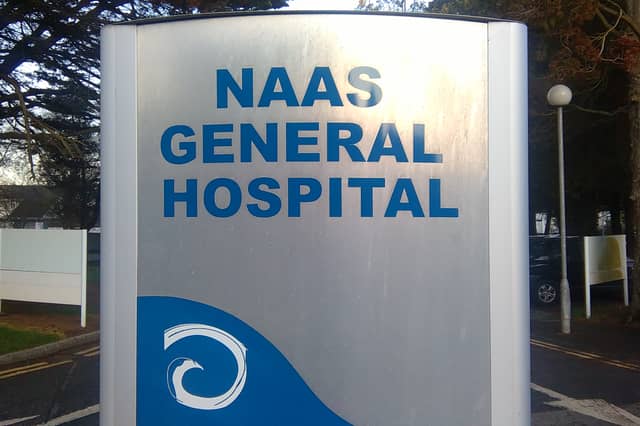

It was the worst period for a decade at Naas General Hospital
Overcrowding at Naas Hospital hit record figures in October.
A total of 379 patients were treated on trolleys during the month, having been admitted through the accident and emergency department.
It was the highest October figure for at least ten years, according to the Irish Nurses and Midwives Organisation.
The figure for October 2025 was 136 and the next highest figure for the period was in Oct 2023 (368).
The hospitals with the most patients on trolleys last month were University Hospital Limerick (1,675 patients) followed by Cork University Hospital (1,215), University Hospital Galway (1,106), St Vincent’s Hospital (967) and Sligo Hospital (951).
Nationally, October was the worst on record with 2,672 patients being treated in corridors, on chairs or in other inappropriate locations in acute hospitals, said the INMO.
It claims the overcrowding crisis is consistently worse than previous years, with over 111,000 patients treated on trolleys so far in 2026.
INMO general secretary Phil Ní Sheaghdha said: “Every single patient who is treated on a trolley or chair can expect a worse health outcome than those who are lucky enough to be treated on a bed.
“It is simply disgraceful that patients are being left to languish for hours or days in brightly-lit corridors without privacy or any comfort, while the HSE has made the decision to halt recruitment into existing vacant posts that would allow them to increase bed capacity and expand services.
Ms Ní Sheaghdha said the public is being let down by the health service and the government and the HSE are implementing measures that are guaranteed to make it worse.
“Running a health service is an investment in our society. Behaving as though healthcare staff recruitment and retention is a burden on the state is disconnected from ordinary people who work in the health service and those dependent on the services they provide. This continued lack of targeted investment is going to lead to the services and staff being run into the ground,” he added.
“Our members’ calls for safe staffing and increased recruitment come from their experience on the wards, and in communities where they can see the effect of understaffing on their patients and their colleagues.
“There needs to be an immediate reversal of the Department of Health’s decision to cease recruitment, and a focus on investment, expansion and safety for patients and staff.”