

Meet the Kildare psychologist helping adults avoid costly neurodivergence assessments
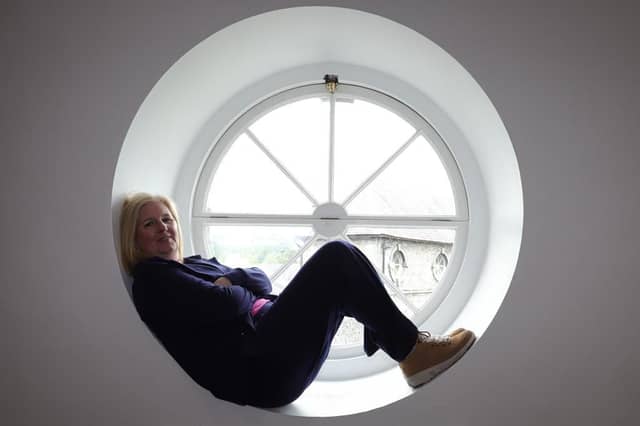

Clane psychologist Jeanette Delahunty is helping adults and children better understand neurodivergences through pre-screenings and tailored supports.
A Clane based psychologist is helping adults who suspect they may be autistic or have ADHD gain clarity before committing to expensive diagnostic assessments that can cost thousands of euro.
Jeanette Delahunty, a psychologist neurodivergence consultant and trainer, recently launched adult neurodivergence pre-screenings from her practice in Clane, offering people a more affordable first step if they are questioning whether they meet the criteria for a formal diagnosis.
The screenings asses characteristics associated with autism and ADHD, while also examining sensory profiles, strengths, challenges and mental wellbeing.
Rather than providing a diagnosis, they help determine whether a full assessment is likely to be worthwhile or whether other supports may be more appropriate.
“Some people may spend in the region of €1,200 or more on an assessment only to find they don’t meet the diagnostic criteria,” Jeanette explained.
“What we’re offering is a pre-screener to help people decide whether it’s worthwhile going down that route.”
Jeanette believes the service is particularly valuable for adults, especially women, whose neurodivergence may have gone unnoticed for years.
She explained that diagnostic criteria were originally developed using research focused primarily on young boys, despite growing evidence that autism and ADHD can present very different in women and many adults.
For those struggling without understanding why, Jeanette said simply learning how their brain works can be life changing.
“People often think there’s something wrong with them of their failing,” she said.
“It’s not about labelling somebody. It’s about understanding their own neurology and how their brain works.”
Jeanette knows that journey personally, having received her own ADHD diagnosis during the Covid-19 pandemic.
“To realise I wasn’t going crazy and that it wasn’t a personal flaw was huge,” she said.
“It helped me understand how my brain worked rather than feeling like I was failing because I couldn’t do things in the way society expects.”
Alongside screenings for adults, Jeanette also provides strength-based assessments for children aged seven and over, giving parents and schools practical recommendations while they wait for services such as the National Educational Psychological Service (NEPS).
Her Clane practice also offers individual therapy, online appointments and walk and talk therapy, which takes counselling outdoors to help clients feel more relaxed in a less clinical environment.
Jeanette said many newly diagnosed adults are left without guidance once they receive a diagnosis and hopes her practice can help bridge that gap.
“People get their diagnosis and then it’s almost, ‘here’s your report, goodbye’. The reports are very clinical and many people don’t know what to do next,” she said.
To help people take their first step, the practice offers a free initial consultation, allowing clients to discuss their concerns without feeling under pressure to commit to therapy or further assessments.
“It’s important that people find the right therapist for them,” Jeanette said. “Therapy is very perosnal, and the first consultation gives people the chance to see whether we’re the right fit.”
Jeanette is also preparing to host the “Supporting Regulation” Neurodiversity Confrence at the Osprey Hotel, Naas on Sunday, 20 September.
The event is aimed at teachers, therapists, social workers and anyone working with children and young people up to the age of 18, offering practical workshops and expert talks on supporting neurodivergent children and creating more inclusive environments.
Tickets are available through TSK academy.